Website Optimization in 2026: How Smart Businesses Turn Visitors into Customers
Getting traffic today is not the hard part.
Converting that traffic into actual business — that’s where most companies struggle.
You can run ads, invest in SEO, or grow on social media, but if your website doesn’t guide users toward action, you’re losing potential revenue every single day.
That’s why website optimization is no longer optional — it’s the core of digital growth.
Based on real campaign experience — managing over ₹10 lakh in ad spend and generating ₹50 lakh+ in returns — one truth stands out:
Your website is either converting your traffic… or quietly wasting it.
What Website Optimization Really Means
Website optimization is not just about improving speed or design.
It is about:
Making your website more effective at turning visitors into leads, calls, or customers.
That includes improving:
- Clarity
- User flow
- Messaging
- Action points
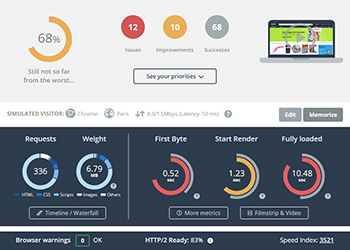
Basic Comparison
| Aspect | Unoptimized Website | Optimized Website |
|---|---|---|
| Loading Time | Slow | Fast |
| Messaging | Unclear | Direct |
| User Flow | Confusing | Smooth |
| Conversion | Low | Higher |
👉 Most websites fail not because they look bad, but because they lack direction.
Why Many Websites Underperform
Businesses often invest heavily in:
- Design
- Development
- Features
But overlook:
- User intent
- Decision-making journey
- Conversion triggers
What Happens on Most Websites
Visitor Behavior Flow

Landing        ██████████
Browsing       ███████
Considering    █████
Action         ██
👉 The biggest loss happens just before the user decides to act.
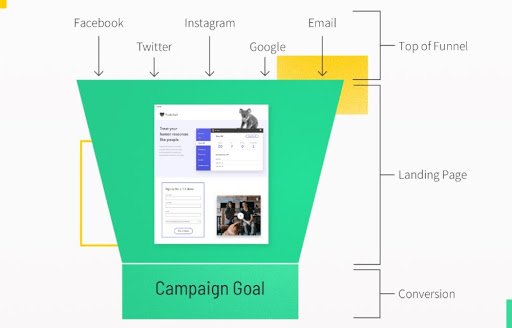
Key Areas That Improve Website Performance
Let’s break down what actually makes a difference.
1. Loading Speed
A slow website increases drop-offs.
Users expect:
- Fast loading
- Smooth interaction
Even a small delay can reduce engagement significantly.
2. Clear Communication
When a visitor lands on your site, they should instantly understand:
- What you offer
- Who it’s for
- Why it matters
If this is not clear, they leave.
3. Strong Call-to-Action
Every page should guide the user.
Effective websites:
- Highlight actions clearly
- Use simple language
- Repeat CTAs strategically
4. Mobile Experience
A majority of users browse on mobile.
If your website:
- Feels cluttered
- Is hard to navigate
- Loads slowly
👉 You lose a large portion of your audience.
What Impacts Conversions the Most
Conversion Factors

Message Clarity     ██████████
Speed               ████████
CTA Placement       ███████
Visual Design       █████
👉 Clarity and usability matter more than appearance.
Insights from Real Campaign Work
Across industries like:
- Healthcare
- Medical retail
- Ecommerce
A repeated issue appeared:
Traffic was present, but results were inconsistent.
Main Problems Identified
- Unclear landing pages
- Weak communication
- No urgency
- Poor user flow
What Improved Performance
- Simplified messaging
- Faster page load
- Clear action points
- Better layout structure
Outcome
| Metric | Before | After |
|---|---|---|
| Conversion Rate | Low | Improved significantly |
| Bounce Rate | High | Reduced |
| ROI | Uncertain | Clear |
👉 Achieved without increasing ad spend.
How Website Optimization Connects with Marketing
Running ads without optimizing your website leads to inefficiency.
Think of it this way:
Traffic brings people in, but your website decides whether they stay or leave.
Optimized Growth Flow
Process Flow

Traffic → Website → Action → Conversion → Improvement → Growth
👉 The website plays a central role in this chain.
Quick Website Optimization Checklist
Use this to evaluate your current site:
Key Checks
| Area | What to Look For |
|---|---|
| Speed | Loads quickly on all devices |
| Headline | Clear and benefit-focused |
| CTA | Visible and easy to act on |
| Mobile View | Smooth navigation |
| Trust Elements | Reviews, proof, credibility |
Image Placement for Better Engagement

Final Thought
Website optimization is not about making things look better.
It’s about making things work better.
Because at the end:
Traffic creates opportunity. Optimization turns it into results.
Closing Perspective
If your business is:
- Getting visitors but not leads
- Running ads with inconsistent returns
- Struggling to convert interest into action
Then the issue is not traffic.
It’s how your website handles that traffic.
Fix that — and everything else becomes easier to scale.
Now let’s be real for a second:
👉 Are you treating your website as a design asset
or as a conversion tool?
Because only one of them contributes to revenue.